
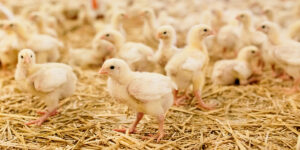
Managing a flock—whether it’s a backyard hobby or a full-scale operation—is a constant balancing act. Disease can sweep through a coop faster than you can say “farm-to-table,” but with a proactive strategy, you can keep your birds thriving.
Here is the blueprint for effective poultry disease control.
1. Biosecurity: The First Line of Defense
Think of biosecurity as your flock’s personal security detail. Most diseases walk into the coop on boots, tires, or equipment.
-
Restrict Access: Limit the number of visitors to your poultry area.
-
Foot Baths: Use a disinfecting foot bath at the entrance of the coop to kill hitchhiking pathogens.
-
Dedicated Gear: Have specific shoes and clothes that you only wear inside the bird enclosure.
2. The Golden Rule of Quarantine
Never introduce new birds directly into your established flock. Even if they look healthy, they could be asymptomatic carriers of respiratory issues or parasites.
Pro Tip: Quarantine new arrivals for at least 30 days in a separate building. Monitor them for sneezing, lethargy, or unusual droppings before they join the group.
3. Environmental Management
Bacteria and viruses love damp, stagnant air. Your coop environment dictates your birds’ immune strength.
-
Ventilation: Ensure a constant flow of fresh air to clear out ammonia and dust without creating a direct draft on the birds.
-
Dry Bedding: Wet litter is a breeding ground for Coccidiosis. Replace damp spots immediately.
-
Clean Water: If you wouldn’t drink the water in their drinker, they shouldn’t either. Scrub waterers daily to prevent biofilm buildup.
4. Nutrition and Vaccination
A bird with a strong immune system is much harder to take down.
-
Balanced Feed: Ensure your feed matches the bird’s life stage (starter, grower, or layer).
-
Vaccination Schedule: Work with a local vet to vaccinate against regional threats like Marek’s Disease, Newcastle Disease, or Fowl Pox. It’s a small upfront cost that prevents a total flock loss.
5. Pest Control
Wild birds and rodents are the ultimate “superspreaders” in the avian world.
-
Secure Feed: Store feed in metal bins with tight lids to avoid attracting rats.
-
Mesh Screening: Use fine hardware cloth to keep wild sparrows and starlings from sharing your flock’s dinner.